Why Fleet Electrification is Now a Strategic Priority
Fleet electrification is no longer ahead of the curve; it's a competitive necessity.
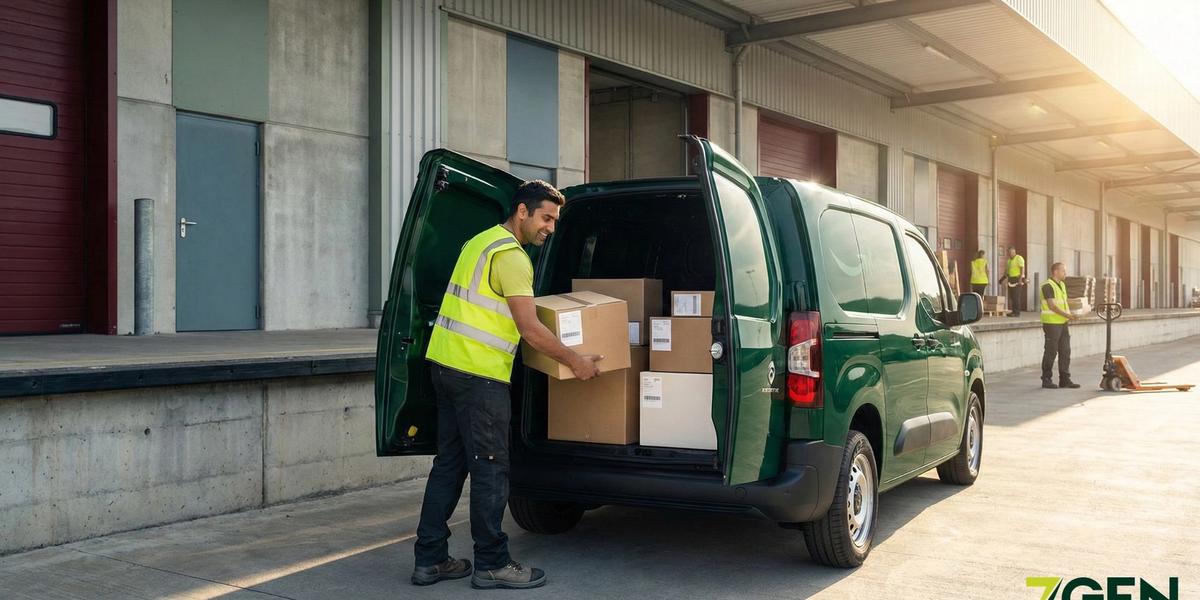
A last mile delivery driver loads packages into his EV cargo van.
For fleet managers overseeing 20 or more vehicles, the conversation around electric vehicles (EVs) has shifted. It is no longer just about meeting government mandates or fulfilling "green" promises; it is about navigating the practical, day-to-day realities of a volatile energy market and an increasingly demanding customer base.
As we move through 2026, several operational and economic drivers have converged to make electrification a competitive necessity rather than an optional upgrade. It’s no longer a matter of being too early. Most vehicles and chargers are becoming quite mature. That was different a few years ago and there still remain some supply chain issues that we are working through with our customers, but overall we are getting to a good place for people to start adoption at scale.
The Operational Reality: Drivers and Deliveries
The most immediate impact of electrification is often felt behind the wheel. In an era of chronic labor shortages, driver retention is a top-tier priority. Feedback from commercial EV operators consistently highlights improved job satisfaction: the lack of engine vibration and the quiet, smooth acceleration of electric drivetrains significantly reduce driver fatigue.
Beyond the driver’s seat, EVs unlock new revenue opportunities through enhanced urban access. Major hubs like Toronto and Vancouver are moving forward with Net-Zero Strategy Action Plans that prioritize low-emission zones. Electric fleets bypass these restrictions, allowing for early-morning or late-night "silent deliveries" in residential areas where diesel noise would trigger municipal violations.
The Economic Shift: Predictability and Uptime
The fiscal argument for EVs has matured. While the upfront cost remains a factor, the Total Cost of Ownership (TCO) has tilted in favour of electric:
Fuel Price Stability: Since the diesel price swings of 2022 and 2023, budgeting has become a guessing game. Electricity costs per kilometer remain 50–70% lower and, more importantly, are far more stable, allowing for precise annual budgeting. We saved one 7Gen customer from paying approximately $3,000 for fuel per month. That is more than the full lease and maintenance of their EV!
The Maintenance Advantage: EV’s are the next wave of technology. Simpler (20 to 50 parts in the drive train vs. 1000 to 2000 in ICE) and way more efficient (>85% versus 20-30% for ICE). For a fleet of 20+ vehicles, removing oil changes, transmission repairs, and DPF (diesel particulate filter) cleaning translates to thousands of dollars in annual savings per unit. The result is that light duty vehicles generally cost about 50% less maintenance over the lifetime of the vehicle.
Increased Uptime: Fewer moving parts mean fewer points of failure. Improved reliability ensures that your vehicles spend more hours generating revenue on the road and fewer hours sitting in a service bay.
Historcially, 7Gen data shows that the Brightdrops have performed quite well for our customers despite current issues with service backlogs. Now, the eSprinters are filling the void that the Brightdrops have left, and with a brand like Mercedes-Benz behind them they provide certainty and comfort for our customers.
Regulatory and Reputational Pressure
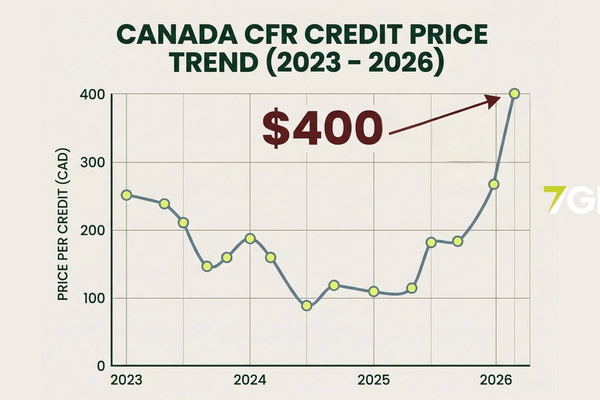
The regulatory landscape is also evolving. Canada’s Clean Fuel Regulations (CFR) now place the onus on fuel suppliers to reduce carbon intensity, creating a credit market that incentivizes electrification. By 2026, the cost of carbon is increasingly being passed down the supply chain.
Simultaneously, the "reputational" pressure has become a "contractual" pressure. Corporate clients and major retailers now require Scope 1 emissions reporting as a prerequisite for bidding on logistics contracts. If your fleet cannot provide transparent, low-carbon data, you risk being filtered out of the procurement process before the first round of bidding begins.
The Path Forward
For enterprise operators, the transition isn't about replacing every truck overnight—it's about building the infrastructure and data today to ensure your fleet remains viable tomorrow. Electrification is no longer a future project; it is a strategic hedge against fuel volatility and a requirement for modern commercial partnerships.
Related reading: emerging industry trends from ACT Expo | the EV adoption S-curve.
Ready to Electrify Your Fleet?
Get expert guidance on transitioning to electric vehicles. Our team is ready to help.
Get a Quote