Why Your Customers Expect Sustainable Deliveries: The EV Advantage in Last-Mile Logistics
Sustainability isn’t just a corporate buzzword anymore—it’s a growing expectation. Across industries, customers are looking more closely at how their goods are delivered and choosing brands that align with their values. As a result, companies with la

Cover image
Why Your Customers Expect Sustainable Deliveries: The EV Advantage in Last-Mile Logistics
Sustainability isn’t just a corporate buzzword anymore—it’s a growing expectation. Across industries, customers are looking more closely at how their goods are delivered and choosing brands that align with their values. As a result, companies with last-mile logistics operations are facing new pressure to reduce emissions, improve transparency, and deliver zero-emission experiences.
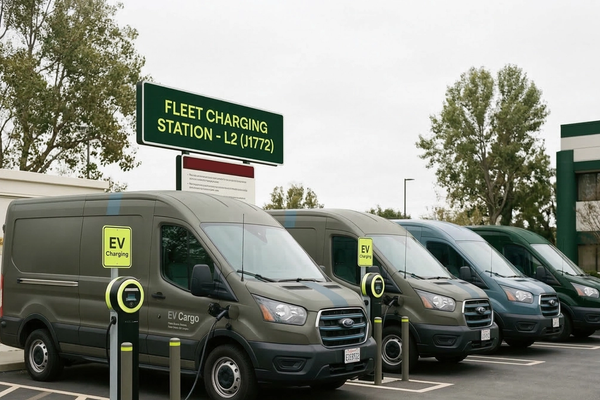
Electric vehicles (EVs) have emerged as a practical, future-proof solution to meet these expectations. With the rise of zero-emission zones, corporate climate goals, and public demand for cleaner transport, switching to an electric fleet for last-mile delivery is no longer a nice-to-have. It’s becoming the standard.
Sustainability Matters to Your Customers
A growing number of consumers prefer companies that actively reduce their carbon footprint. In fact, sustainability is increasingly influencing purchasing decisions—not just for individual consumers but also for corporate buyers. Many businesses now prioritize logistics partners who help them meet internal sustainability or ESG targets.
Offering zero-emission delivery can:
- Improve customer loyalty
- Strengthen your brand’s environmental credibility
- Set you apart in a competitive market In short, your fleet can become a differentiator. That’s why sustainable fleet management is now a key consideration for logistics providers of all sizes.
Why EVs Are Ideal for Last-Mile Delivery
Electric cargo vans, step trucks, and light-duty trucks are particularly well-suited to last-mile operations. These vehicles offer quiet, zero-emission performance that fits well with urban delivery needs. Many cities are also rolling out zero-emission zones and congestion pricing, which favor electric vehicles and penalize internal combustion ones.
EVs give you:
- Access to restricted areas
- Quieter delivery routes for residential zones
- A future-proofed fleet ready for evolving regulations Add to that the ability to reduce your fleet’s operating costs and your business gains both environmental and economic value.
Lower Costs and Financial Incentives
In addition to brand and regulatory benefits, EVs help reduce total cost of ownership. Compared to internal combustion vehicles, EVs offer:
- Up to 40% lower maintenance costs
- Fuel savings of up to $2,200 per vehicle annually
- Access to EV tax credits and carbon offset programs These advantages turn electrification into a cost-effective strategy, not just a sustainability initiative.
A Turnkey Approach with 7Gen
Transitioning to electric doesn’t have to be complicated. 7Gen offers fully managed fleet solutions that take the guesswork out of going green. From selecting the right vehicles and deploying charging infrastructure to offering flexible leasing models and ongoing maintenance, 7Gen supports every step of your electrification journey.
With 7Gen, you get:
- Access to leading electric cargo vans and trucks
- Support with EV tax credits and sustainability reporting
- Maintenance, telematics, and 24/7 charger support
Get Ahead of Expectations
Green delivery is quickly becoming a baseline expectation. Customers are paying attention—and competitors are responding. Making the switch to electric last-mile delivery today helps you stay ahead of regulatory change, meet sustainability goals, and satisfy the evolving expectations of your clients.
Ready to electrify your last-mile logistics?
Learn more about our fleet solutions here.
Your go-to resource for a seamless transition to a zero-emission fleet.
Ready to Electrify Your Fleet?
Get expert guidance on transitioning to electric vehicles. Our team is ready to help.
Get a Quote