




Peak Season Vehicle Readiness for Last Mile Delivery Drivers

Peak Season Vehicle Readiness for Last Mile Delivery Drivers

Avatar photo
7Gen

December 2, 2025

Peak season is here. Black Friday has passed, Cyber Monday is behind us, and the sprint through Christmas to Boxing Day is on.. For independent last mile delivery drivers, the next four weeks represent the most important earning window of the year. According to Pitney Bowes, parcel volumes in North America typically increase by 30 to 40 percent during the holiday season. In Canada, this increase happens during the coldest weeks of the year, when reliable vehicle performance becomes essential to capturing peak season earnings.

This is also a moment when electric vehicles are playing a growing role in last mile delivery across North America. With more contractors switching to EVs for lower operating costs and simpler maintenance, reliability becomes a real business advantage during the busiest weeks of the year.

Fortunately for EV drivers, electric motors have fewer parts and fewer things that can go wrong. Read on for simple steps to maintain that reliability through peak season.

Why EV Reliability Matters During Peak Season

Independent last mile delivery contractors face a unique challenge. When your vehicle is out of service, your income stops immediately. During peak season, that impact is even bigger. During peak season, that impact is even bigger. With volumes rising by roughly a third, every day of downtime means missing significantly more delivery opportunities.

Electric delivery vehicles bring good news. Maintenance is simpler, oil changes are gone, there are fewer moving parts, and regenerative braking reduces brake wear. Research from the U.S. Department of Energy’s Argonne National Laboratory shows that electric vehicles cost approximately 40 percent less per mile to maintain compared to gas powered vehicles. Still, peak season puts extra pressure on specific EV systems, and a bit of preparation can keep you earning through the busiest part of the year.

Mid Season EV Health Check

If you have not done a full inspection yet, this week is the time. You still have three high volume weeks ahead, and a quick check can prevent costly downtime.

Here are the critical areas to review:

  • Battery Health and Charging Performance

Monitor your charging times and make sure they have not increased noticeably. Cold weather reduces EV battery capacity by up to 30 percent depending on temperature and use patterns, according to AAA research. Plan routes with reduced winter range in mind.

  • Tire Condition and Pressure 

The extended driving periods, salt on the roads, the weight of the vehicle and your packages all accelerate tire wear. Confirm proper pressure and check tread depth. Heavy package loads and winter roads require solid traction.

  • Brake System

Regenerative braking reduces wear, but friction brakes still matter. Inspect pads and rotors before volume peaks.

  • Lights and Signals

Shorter daylight hours mean more evening driving. Confirm all lighting is bright and reliable.

  • Cabin Heating Strategy

Seat warmers use less energy than full cabin heat. Relying on them more often can preserve 10 to 15 percent more range.

Managing Cold Weather Range

Cold weather is the biggest variable affecting EV performance during peak season, though all vehicles face winter challenges. Gas vehicles experience harder starts, reduced fuel economy, battery drain, and engine strain from cold thick oil. For EVs, the primary consideration is driving range. Canadian winters bring sustained freezing temperatures, heavy snowfall, and shorter daylight hours. Understanding and planning for reduced range in these conditions keeps you fully operational in last mile delivery work.

Practical cold weather strategies:

  • Pre condition while plugged in. Heat your cabin and battery while connected to the charger so grid power does the work instead of your battery. Commercial fleets operating in cold climates are successfully using this strategy. Ford Pro reports that fleet operators in Quebec use remote preconditioning in temperatures that routinely reach minus 20 degrees Celsius to maintain reliable range and efficiency. Canadian drivers are proving that EVs can handle snow, ice, and extreme cold while maintaining delivery schedules.
  • Expect a shorter range. December cold reduces your driving distance by 20 to 30 percent. Charge more often.
  • Identify backup charging locations. Map at least three fast chargers along your primary delivery routes. Peak season reduces flexibility if your preferred station is already in use. Networks like Flo, ChargePoint, and Electrify Canada operate across the country, making it easier to plan routes even when weather conditions limit flexibility.

Building Your Peak Season Support System

Like any vehicle, EVs can face unexpected issues during peak season, though simpler mechanics mean fewer potential problems. A support plan keeps you working when you need it most. 

Build your support network now by identifying:

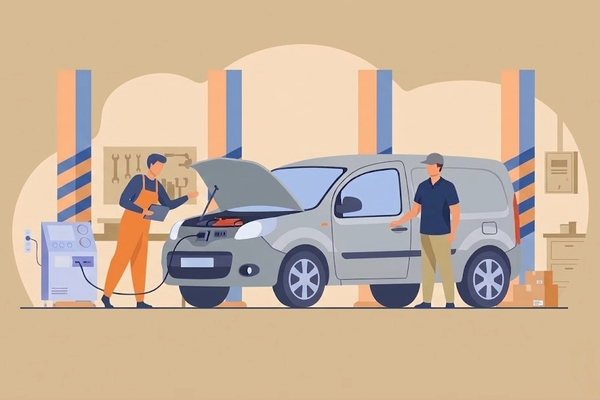
  • Mobile EV technicians or service providers who can come to your location
  • Charging stations with 24 hour customer support
  • Roadside assistance contacts for your specific vehicle model
  • Other EV drivers you trust who can share tips or help with route based charging strategies

Keep essential items in your vehicle:

  • Portable tire inflator
  • Tire pressure gauge
  • Emergency supplies
  • Charging adapters if you use more than one charging network

Maximizing Uptime Through Smart Scheduling

How you schedule the next few weeks affects both your earnings and your vehicle’s performance.

Smart scheduling practices include:

  • Protect your battery. Avoid repeatedly charging to 100 percent or letting the battery drop below 10 percent. Staying in the 20 to 80 percent range supports long term battery health.
  • Daily performance checks. Note your charging times, range estimates, and any warning messages at the start of your shift.
  • Choose routes strategically. Select routes that align with dependable charging infrastructure when possible.

Planning Beyond Peak Season

Once peak season ends, use late January and February to evaluate how your EV performed.

Questions to consider:

  • How did cold weather affect your range compared to your expectations?
  • Which charging locations proved most reliable during high volume periods?
  • Did your vehicle meet the demands of peak season last mile delivery schedules?

This evaluation period is also a good time to assess whether your current vehicle setup is still the best fit. If you are driving an older EV or considering an upgrade, our guide on leasing versus buying EV fleets in 2025 can help you structure future costs more effectively for your delivery business.

Moving Forward

Peak season EV readiness is not about perfect preparation. It is about reducing risk and protecting your earning capacity during the most valuable weeks of the year. Electric vehicles offer real advantages for last mile delivery, including simpler maintenance, lower operating costs, and predictable performance.

Independent delivery contractors succeed by treating their vehicle as a business asset and planning around its capabilities. Some drivers prefer managing every detail themselves, while others use bundled monthly solutions like those offered by 7Gen to simplify vehicle and maintenance planning during demanding periods such as peak season.As more delivery work shifts toward electric platforms, the drivers who understand how to manage their EVs effectively during the busiest weeks of the year will be well positioned for long term success. If you’re considering the broader business case for electric last mile delivery, read more about how EVs are becoming the standard in last-mile logistics.